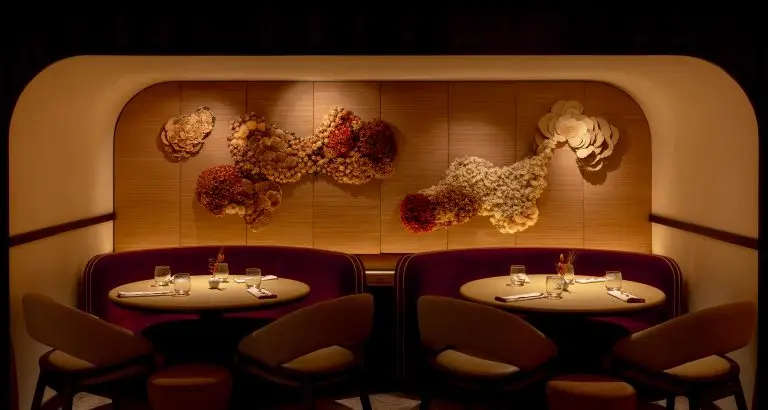
A quiet bet on multi-generational travel in the Pacific.
Six Senses Fiji opened three new beachfront homes on Malolo Island on Monday. With Residences 51, 52 and 53 now finished and bookable, Six Senses Fiji Residences runs to 16 private homes alongside the resort’s 24 villas, which have been in place since the property opened in April 2018. That makes it the address with the largest luxury residence inventory in Fiji, and confirms the direction Six Senses has taken in the Pacific: fewer, larger, more private units, built around multi-generational travel and longer stays.
The three houses form a secluded enclave along one of Malolo’s quieter stretches of beach, with direct access to a private beach reserved for residences 51, 52 and 53 and their guests. Each comes with its own pool and deck, a fully equipped kitchen, and a dedicated Guest Experience Maker (the Six Senses combination of butler, host and local guide). The resort’s signature complimentary nanny service runs to eight hours a day.
Three new Six Senses Fiji Residences, three configurations
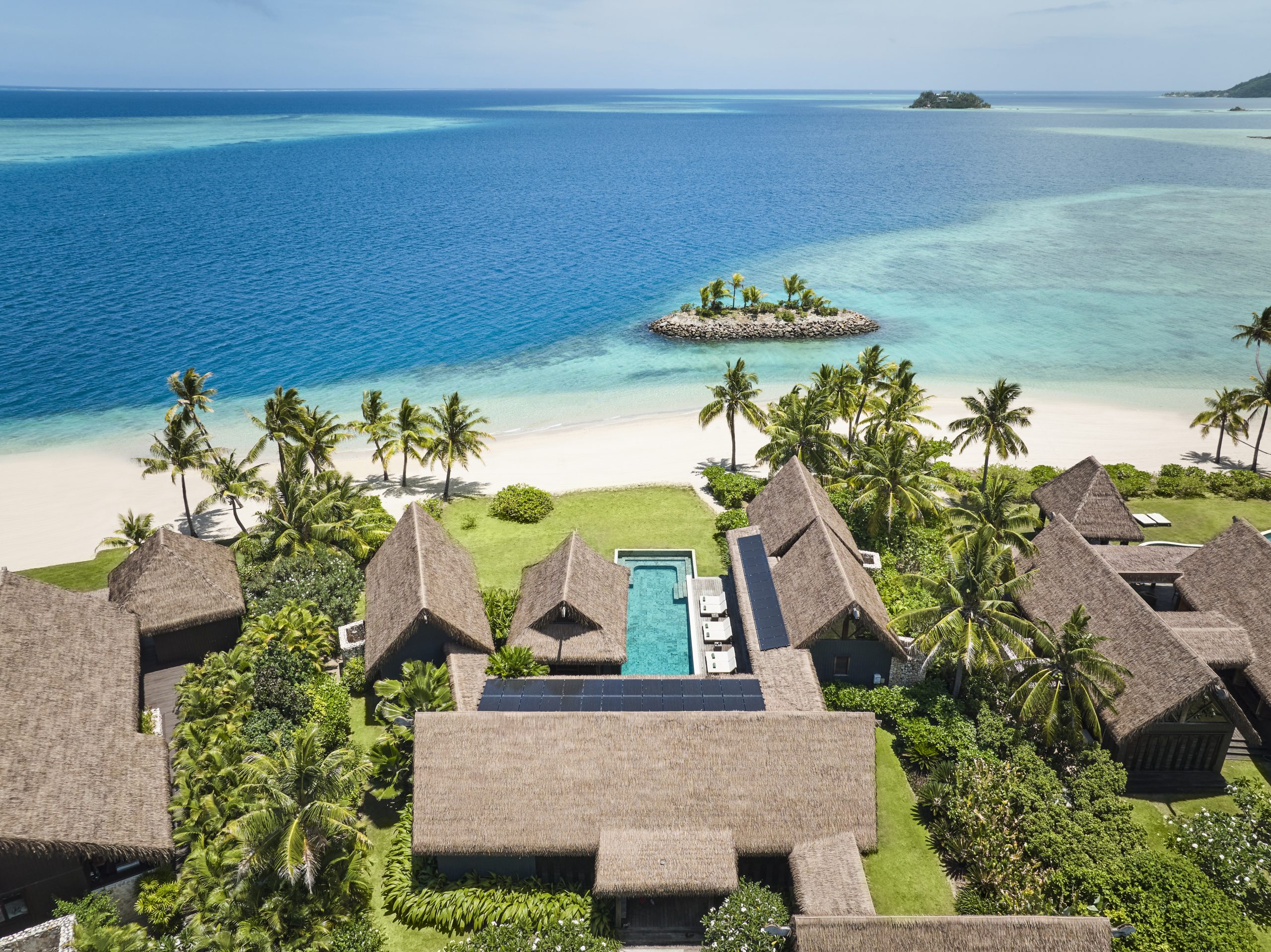
Each of the new Six Senses Fiji Residences is configured for a different kind of stay.
Residence 51, “Serenity by the Marina,” is a five-bedroom beachfront house for up to ten guests, with views of both beach and marina. It’s built around a central garden courtyard that pulls daylight through the house, and includes a private gym and outdoor fire pit. The design favors quiet shared spaces and a fluid line between inside and out.
Residence 52, “Coastal Living Reimagined,” is the largest of the three. It has six bedrooms, plus a feature unusual for the property: a second floor with a tailored bunk suite, designed with larger families in mind. There’s a dedicated kids’ pool, a beachfront lawn that can be set for dinner by the sea, and a shaded cabana for reading or sundowners. It’s the only residence with two stories.
Residence 53, “Private Beachfront Seclusion,” has four ensuite bedrooms that can convert to five, configured for groups that want both intimacy and flexibility. It sits in a quiet corner of the enclave with just one neighboring residence, combining an open pool cabana with a lawn around the pool and a sun deck facing the horizon.
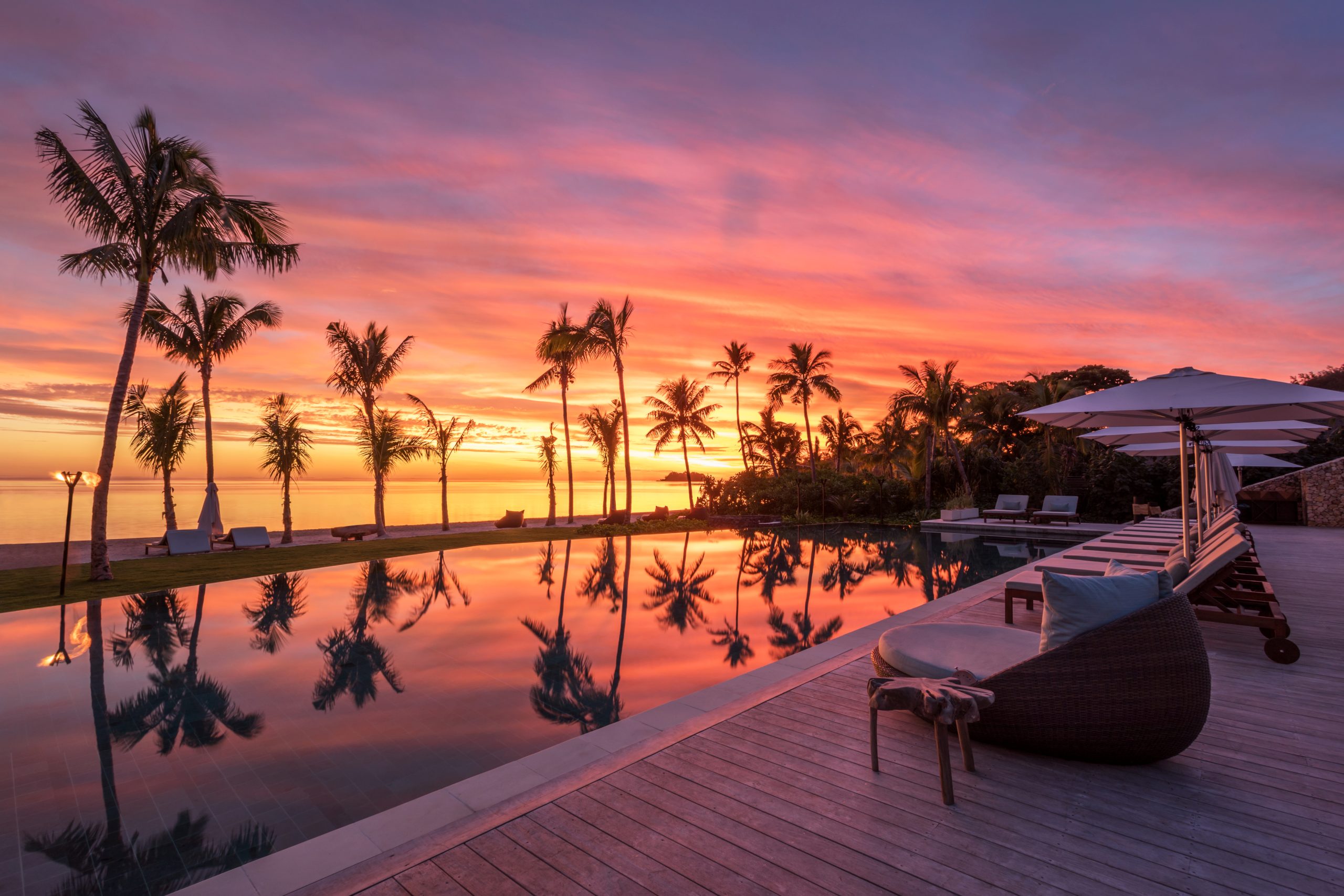
All three face west, which puts sunset on the terrace. Natural materials, an open layout, and a deliberate move away from compact room divisions run through each. The other 13 residences sit across beach, ocean and marina positions, in configurations from two to six bedrooms.
New Zealand architecture, Fijian materials
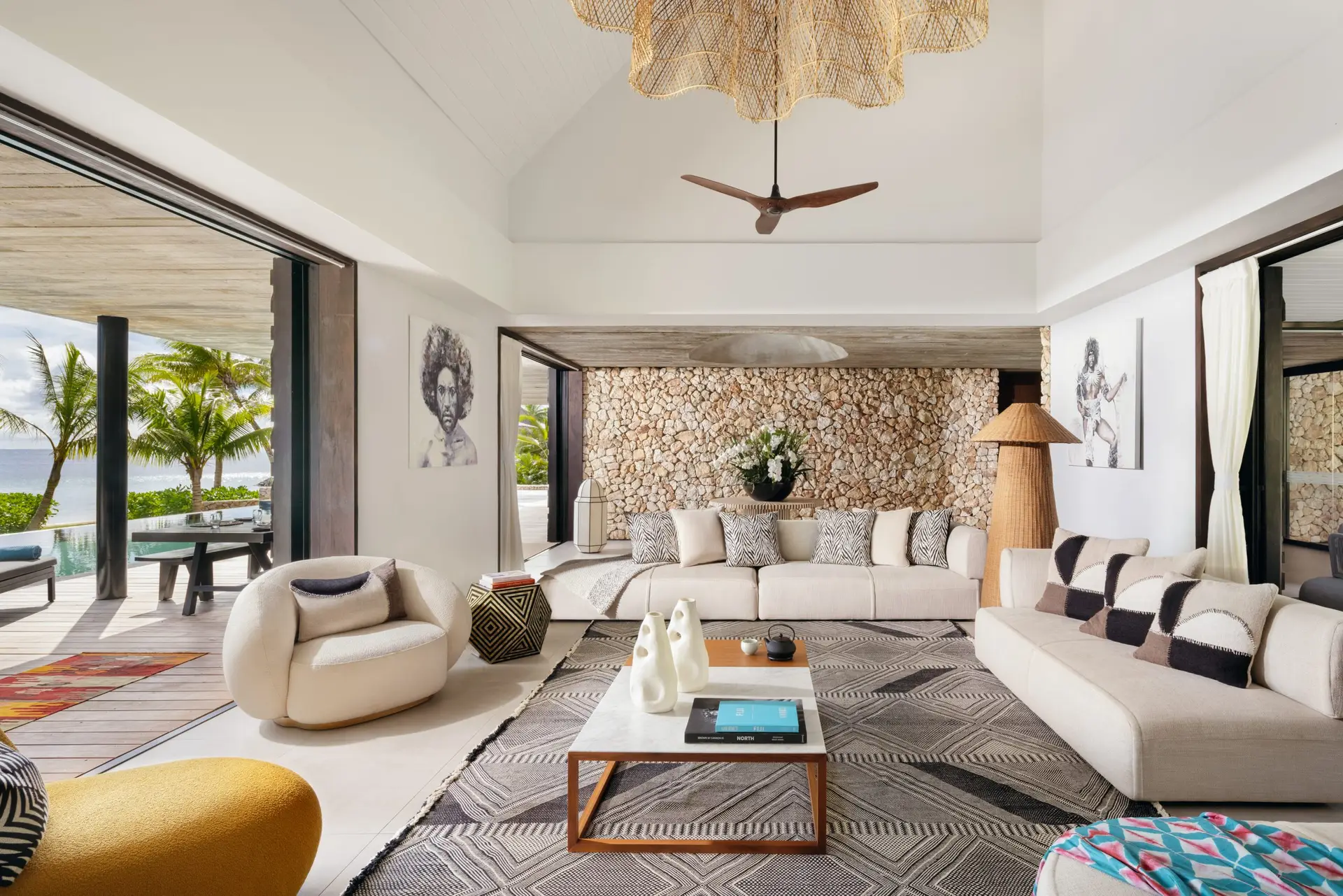
Six Senses Fiji is on Malolo Island, the largest of the Mamanuca group, west of Fiji’s main island of Viti Levu. The resort was designed by New Zealand-based architect Richard Priest and built along 650 meters of private beach, with Space Studio of New Zealand handling the interiors. The aesthetic pairs local materials (Fijian woven textiles, mahogany, rain tree wood) with clean lines and a palette of linen and warm earth tones. Arrival happens not at a formal reception but in a lounge where the first thing you hear is the sea.
The resort sits about 25 kilometers (16 miles) from Nadi International Airport as the crow flies. In practice that’s 20 minutes by car to Port Denarau and 35 minutes by speedboat to the resort, or 10 minutes by helicopter direct from Nadi. The Mamanucas hold a stable tropical climate year-round, with a dry season from May to October and a wetter window between November and April.
The property is part of a larger development that originally planned for up to 60 private residences. With 16 now open, the portfolio is still being built out, and this week’s opening is the latest phase of a gradual construction that has run since 2018.
Three restaurants, a garden, and a place called Cluckingham Palace
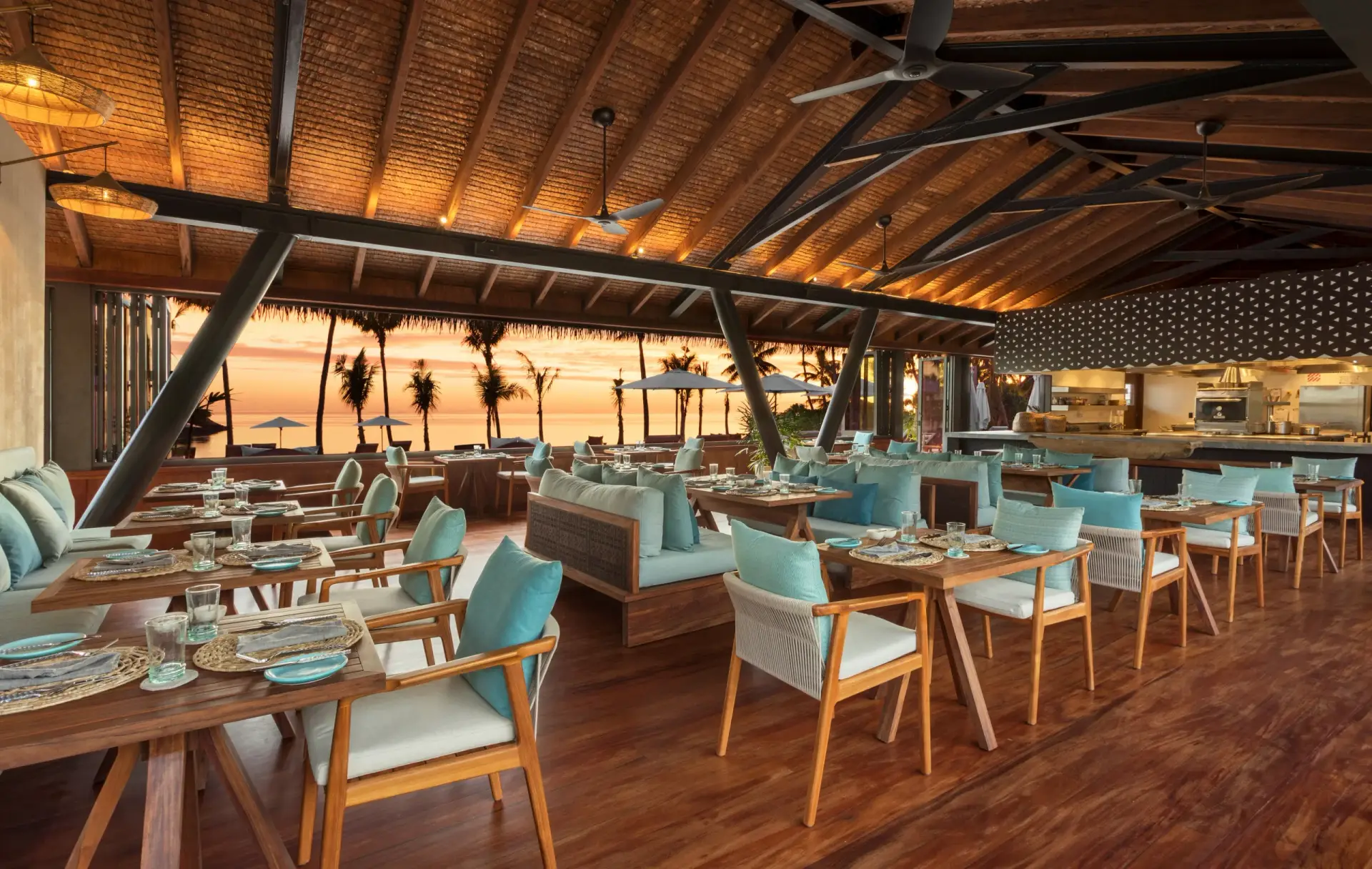
There are three restaurants on the property: Tovolea, RaRa and Teitei, plus a deli and an ice cream operation. Tovolea runs as the daytime hub by the pool, with an international menu and a Pacific lean. RaRa rotates a different themed menu each evening; Teitei works tighter and more focused. The menus move between Fijian, Asian and Mediterranean references.
A meaningful share of the produce comes from the resort’s own garden. Hens at Cluckingham Palace supply the breakfast eggs, beehives produce honey, and the on-site mushroom hut and water bottling plant mean that fresh ingredients and drink are largely sourced from the property itself. The deli has earned a quiet reputation for homemade kombucha, ginger beer and bitter infusions, the result of a deliberate program around fermentation and gut health rather than plant-based marketing, part of a broader shift toward self-sustaining luxury kitchens.
Guests who want to spend time in the kitchen can join cooking classes covering Fijian techniques and garden-led ingredients. Thursdays bring a traditional Meke dance with Fijian music as part of the evening program.
Spa, surf and a board ride to Cloudbreak
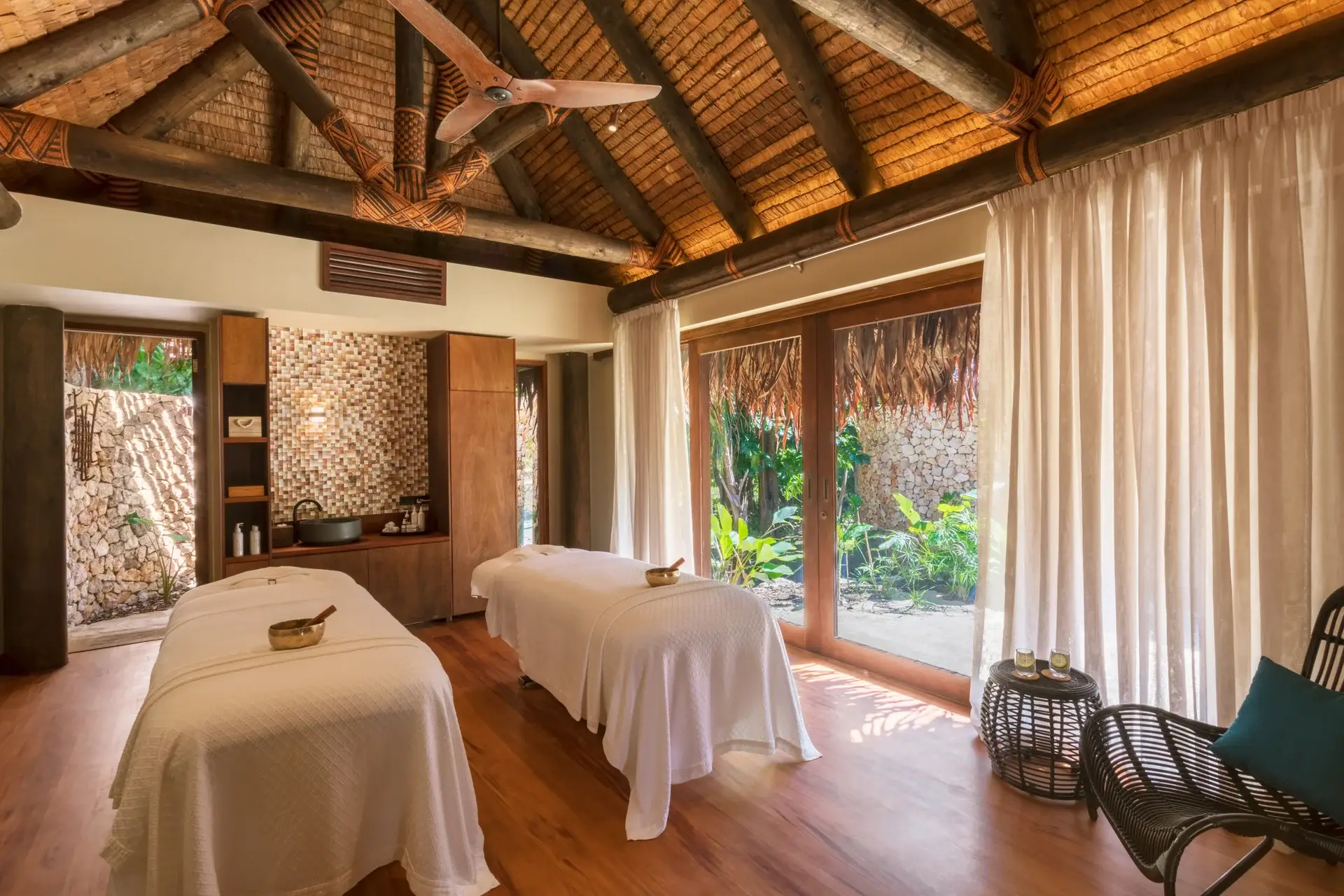
Six Senses Spa Fiji reads as a contemporary take on a Fijian village, set inside a stand of tropical vegetation with fig and banyan trees. The facilities include a herbal sauna, steam room, hot and cold plunge pools, waterfall showers, an outdoor yoga pavilion with sea views, and an indoor gym. The treatment program leans on local ingredients and a layered approach to wellness rather than the longevity-medicine bent that other Six Senses properties have moved toward.
For more active stays, the resort is within range of Cloudbreak, one of the Pacific’s better-known surf breaks, off Tavarua Island, a short boat ride away. Six Senses Fiji partners with Tropic Surf through its own Surf Academy, with instruction for beginners and experienced surfers, and a full board quiver on site.
The water program runs to diving, snorkeling, kayaking, paddleboarding, Hobie cats, sailing and fishing trips of varying length. On land: a tennis court, gym, yoga pavilion, outdoor cinema, and a children’s club called Grow With Six Senses that structures the kids’ time around nature, mindfulness and cultural skills.
Sustainability as default
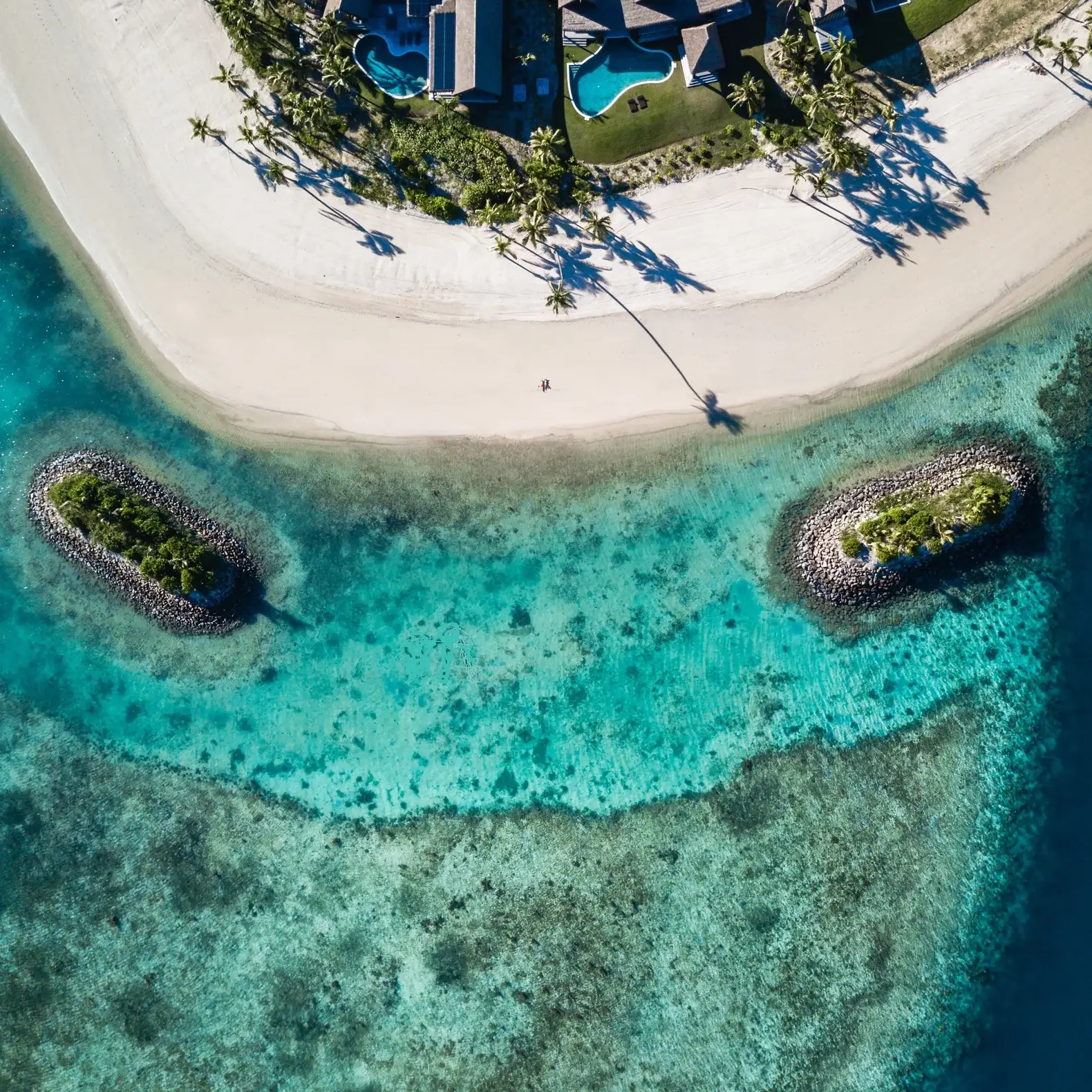
Six Senses Fiji runs on solar power, on what was Fiji’s largest microgrid using Tesla batteries when the resort opened, with LED lighting throughout. Water comes from grey water and rainwater reservoirs, reducing reliance on desalination. The septic system is worm-based, and a reforestation plan offsets the carbon used during construction.
More interesting for most guests is probably the reef restoration program, which doubles as ongoing training for local staff. In the jungle around the spa live 40 Fijian crested iguanas, a critically endangered endemic species; the resort’s annual census shows them reproducing in the protected habitat on site, with regular sightings of new hatchlings and juveniles.
Getting there
Visa-free entry to Fiji applies to most Western European, North American and Australasian passport holders for stays of up to four months. There are no direct flights from Europe to Nadi. The shortest routings connect through Singapore, Hong Kong or Los Angeles, with Fiji Airways operating the long-haul leg into Nadi, either directly or in codeshare with Singapore Airlines, Cathay Pacific, Japan Airlines, Qantas and American Airlines. Routes through Doha on Qatar Airways or Istanbul on Turkish Airlines exist but require an additional stop in Sydney, Singapore or Tokyo. Total travel time from Northern Europe runs from around 25 hours via Singapore or Hong Kong to 35 hours via Istanbul or Doha.
Fiji Airways markets through a selection of European cities via codeshare partners, though the more comfortable approach is usually to pair Fiji with a longer stop in Australia or New Zealand. The resort arranges boat transfer from Port Denarau, and helicopter transfer from Nadi can be booked through the Guest Experience Maker once a reservation is confirmed.
The best window is May to October, when humidity is low and the water is calmest. August and November are low season, with more flexibility on rates. The typical stay is five nights.
What it costs
Villa rates start around $800 a night in low season and climb above $2,000 in high season and over Christmas and New Year. The average for a beachfront villa runs around $1,350. Residences are priced individually by size, bedrooms and season, and the largest six-bedroom configurations can clear $7,000 a night at peak. By comparison, Four Seasons Resort Red Sea, opening this week, starts at $793 a night. Bookings go directly through Six Senses, through Virtuoso-affiliated agents, or for IHG One Rewards members as point redemptions in select categories.
Frequently asked
Where is Six Senses Fiji? On Malolo Island in the Mamanuca group, about 25 kilometers west of Nadi International Airport. From the airport it’s 20 minutes by car to Port Denarau and 35 by speedboat, or 10 minutes by helicopter direct.
When did Six Senses Fiji open? April 14, 2018. Residences 51, 52 and 53 opened to guests on May 18, 2026, bringing the property to 24 villas and 16 private residences.
How many residences does Six Senses Fiji have? With the new openings, 16 in total, spread across beach, ocean and marina positions, in configurations from two to six bedrooms. It’s the largest portfolio of luxury residences in Fiji.
Do I need a visa for Fiji? Most Western European, North American and Australasian passport holders can enter visa-free for stays of up to four months. Check against your own passport before booking.
What does Six Senses Fiji cost a night? Beachfront villas start around $800 in low season, averaging closer to $1,350. Residences are priced individually and can clear $7,000 a night for the largest units at peak.
When is the best time to go? The dry season, May to October, is the most comfortable, with low humidity and calmer seas. August and November give more flexibility on price and availability.
Six Senses Fiji is on Malolo Island in the Mamanuca Islands. Reservations and inquiries about the new residences can be made directly with Six Senses, through Virtuoso-affiliated agents, or for IHG One Rewards members through IHG.