Solo travel destinations 2026: 12 honest first-timer picks.
12 honest first-timer picks, ranked by safety, cost and how easy they are to navigate alone. Updated May 2026.
There’s a particular fear that hits the night before a first solo trip. It isn’t really about safety, or money, or the language barrier. It’s about whether you’ll feel ridiculous eating dinner alone in a country where you don’t speak the language, on a Tuesday, with nothing planned.
Most “best solo travel destinations 2026” articles skip this. They list 30 countries with the same five photos and call it research. This isn’t that list. It’s twelve solo travel destinations 2026 chosen for one reason: they make the first solo trip feel possible, not heroic.
The bar is whether a nervous, never-done-this-before traveler can get off the plane, find their hotel, eat dinner alone without it being weird, and actually want to do it again.
Solo travel in 2026 isn’t a niche. The global market hit $482 billion in 2024 and is on track for $1.07 trillion by 2030, growing at 14.3% annually, faster than the rest of the travel industry combined. Searches for “solo travel” are at all-time highs. “Women solo travel” hit a 15-year peak. The first-time traveler is no longer a 22-year-old with a backpack. They’re 28, 38, 48, sometimes 68, and they’re booking trips their friends haven’t taken yet.
What follows is a working list, organized by how forgiving each destination is to a first-timer. We’ve grouped them in three tiers: places that make the first solo trip easy, places that build confidence once you’ve had a taste, and budget gateways for travelers who want to stretch a small budget across a longer trip. We’ve also included what nobody tells you about each one.
How we made this guide
This article draws on the Global Peace Index 2026 (Institute for Economics and Peace), the 2026 Solo Female Travel Survey, Grand View Research’s 2024 solo travel market report, Tripadvisor’s Travellers’ Choice 2026 Awards, the Hilton 2026 Trends Report, the Klook Global Solo Survey, and reservation pricing verified across major booking platforms in April 2026. Where we name a destination as first-timer friendly, we’ve cross-referenced safety data, English fluency, infrastructure quality, and the practical question of whether dining and traveling alone is socially normal there.
We haven’t personally visited every destination on this list in 2026. Where that matters, we say so. Where we recommend a country as a first solo trip, we mean it’s a place where the obstacles are practical and solvable, not cultural or systemic.
The numbers: what solo travel actually looks like in 2026
Before the destinations, the data. It changes how you read the rest of this list.
The typical first-time solo traveler is between 22 and 30 years old. The trip lasts seven to ten days. The budget runs $1,000 to $2,000 before flights. Roughly 76 to 85% of solo travelers globally are women, with women’s solo travel searches up fivefold since pre-pandemic levels. Female solo travelers aged 65 and over have grown from 4% of the segment in 2019 to 18% in 2022. Almost 40% of solo travelers are now over 40, a shift the industry didn’t see coming.
The motivations have shifted too. Hilton’s 2026 Trends Report named “rest and recharge” as the top reason for leisure travel (56%), well ahead of nature (37%) and improved mental health (36%). The Solo Female Travelers Network 2026 survey found that 87% of women travel solo for freedom and flexibility, 78% for self-care. The number-one reason across genders is straightforward: 74% want to see the world without waiting for someone else to be ready.
The fears are also predictable. Safety is the single biggest concern (41%), followed by loneliness (49%). For women specifically, 75% of those who haven’t traveled solo worry about safety, but that drops to 52% for those who have. The gap between imagined risk and actual risk is wider than almost any other travel statistic. Women who’ve done it once almost always do it again: 59% of solo female travelers say they’ll travel independently again.
The economics matter too. The single-supplement charge, paid by solo travelers when an accommodation is priced for two, is the number-one barrier women cite (64%), and removing it is the most-requested change to the travel industry. Destinations and accommodations that have eliminated the supplement get repeat business. Those that haven’t are quietly losing market share to ones that have.
What “first-timer friendly” actually means
A destination earns a place on this list if it answers yes to most of the following:
You can dine alone without it being culturally awkward. Public transport runs reliably and you can navigate without a car. English is widespread enough that you can ask directions, read menus, and understand emergency information. Violent crime against tourists is statistically rare. The hostel and small-hotel scene caters to solo travelers (this matters more than people expect, because it’s where you meet other people if you want to). The destination has a “sole female traveler infrastructure,” meaning women’s-only dorms, women-led tours, single-occupancy rooms without supplement penalties.
These criteria knock out a lot of obvious answers. India, Morocco, Egypt, and parts of Latin America are all rewarding solo destinations for experienced travelers. They aren’t first-timer destinations. We’ve put them aside not because they’re unsafe, but because the learning curve is steeper than what a nervous first-timer needs.
In this guide
- Japan
- Iceland
- Portugal
- New Zealand
- Singapore
- Ireland (Dublin)
- Slovenia
- Spain
- Costa Rica
- Thailand
- Vietnam
- Mexico (Mérida and Oaxaca)
- The 12 at a glance: comparison table
- What we left off, and why
- Solo travel for women: the honest version
- Frequently asked questions
Tier 1: Easy first-timer wins
1. Japan
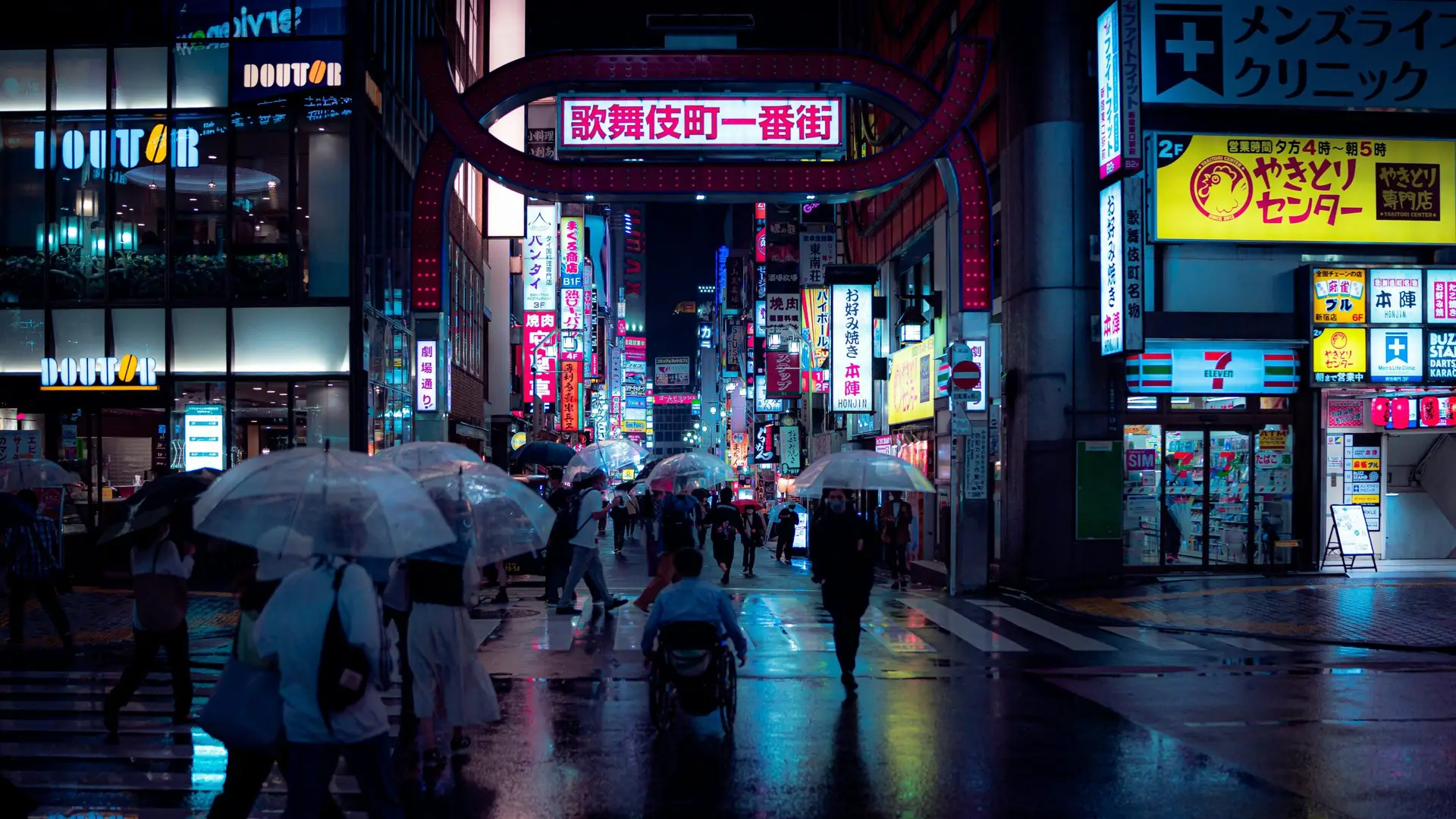
Best for: First-timers who worry about being awkward eating alone Daily budget: $80 to $130 Trip length: 10 to 14 days Safety ranking: GPI #4 in Societal Safety; one of the world’s lowest violent crime rates English level: Medium in major cities, limited in rural areas Best month to go: April for cherry blossoms, October for autumn foliage, January for fewer crowds
If your single biggest fear about solo travel is the dining-alone moment, Japan resolves it on day one. The country has built an entire restaurant culture around solo eating. Ichiran Ramen has individual booths with side partitions and a bamboo screen between you and the staff. You order through a vending machine. The food arrives through a small window. It’s possible to have a meal without exchanging more than a tray. Tokyo, Osaka, and Kyoto are full of similar setups: standing sushi bars, conveyor-belt restaurants, ramen counters where eating solo is the default rather than the exception.
The infrastructure is the other reason Japan tops every credible solo travel list. The rail network is the cleanest, most punctual, most foreigner-legible system in the developed world. You can get from Tokyo to Kyoto on the Shinkansen without speaking a word of Japanese. Hotel chains like APA and Toyoko Inn run consistent, safe, single-occupancy rooms at reasonable prices. Convenience stores (kombini) cover the basics 24 hours a day, which makes the first-night arrival logistics painless.
What nobody tells you: Japan in 2026 is more expensive than it was eighteen months ago. The new departure tax (¥3,000 from July 2026), Kyoto’s accommodation tax hike (up to ¥10,000 per person per night for top-tier hotels), and the JR Pass increase have collectively added roughly $300 to a one-week trip. Budget travelers can still do Japan well, but the era of flying in for cheap on a weak yen is closing.
2. Iceland
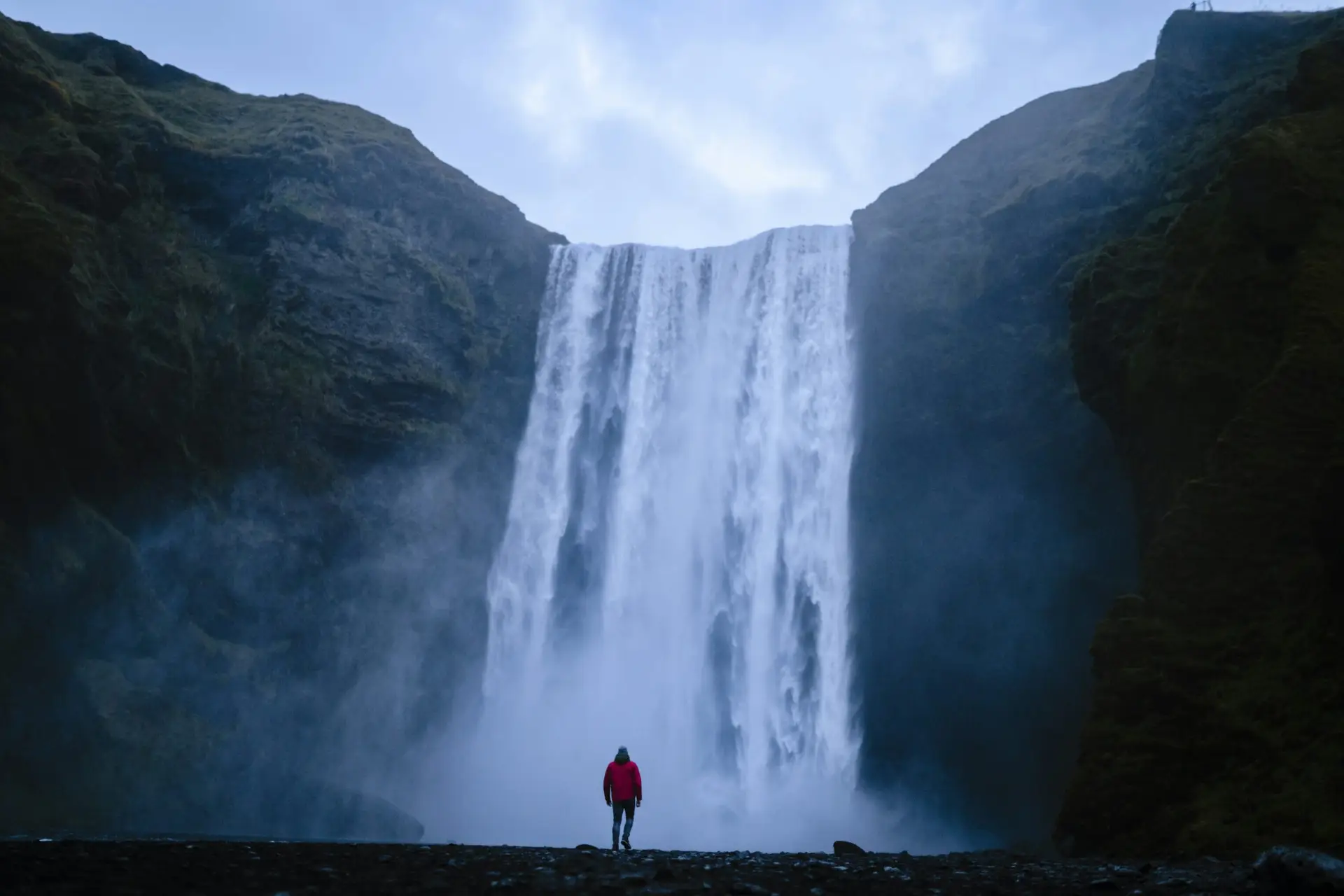
Best for: Solo travelers who prefer landscape over social scenes Daily budget: $130 to $220 Trip length: 7 to 10 daysSafety ranking: GPI #1 (18 consecutive years), score 1.112 English level: Excellent Best month to go: September for Northern Lights, June for midnight sun, February for ice caves
Iceland is the safest country on Earth, by every measure that matters. The Global Peace Index has had it at number one for eighteen years running. Police don’t carry firearms. Violent crime is statistically a rounding error. Locals leave babies napping in strollers outside cafés while they have coffee inside, and nobody thinks twice about it. For a first solo trip, this matters more than the brochure language suggests. The mental cost of constant low-grade vigilance, which is what most solo travelers feel in unfamiliar places, simply doesn’t apply here.
The geography is the other half of Iceland’s appeal. The Ring Road circumnavigates the country in roughly 1,300 kilometres. Most of the major sights (Jökulsárlón glacier lagoon, Vík’s black sand beaches, Skógafoss waterfall, Goðafoss, Mývatn’s geothermal area) sit on or near it. You can drive it in seven days at a comfortable pace. Reykjavík has a small but genuinely good restaurant scene, and Icelandic people speak English fluently with no preamble.
A 2026-specific reason to go: the current solar maximum, which produces the most intense Northern Lights displays in eleven years, is still strong through early 2026 before the cycle quiets down. If aurora is on your bucket list, this is your window.
What nobody tells you: Iceland is sparsely populated. Outside Reykjavík, you may go an entire day without a meaningful conversation. For solo travelers who want frequent social interaction, Iceland is best as a leg of a longer trip rather than the whole thing. The other catch is cost. Hostel beds run $50 to $80 per night. A bowl of soup at a roadside café is $25. Self-catering brings the daily budget down significantly.
3. Portugal
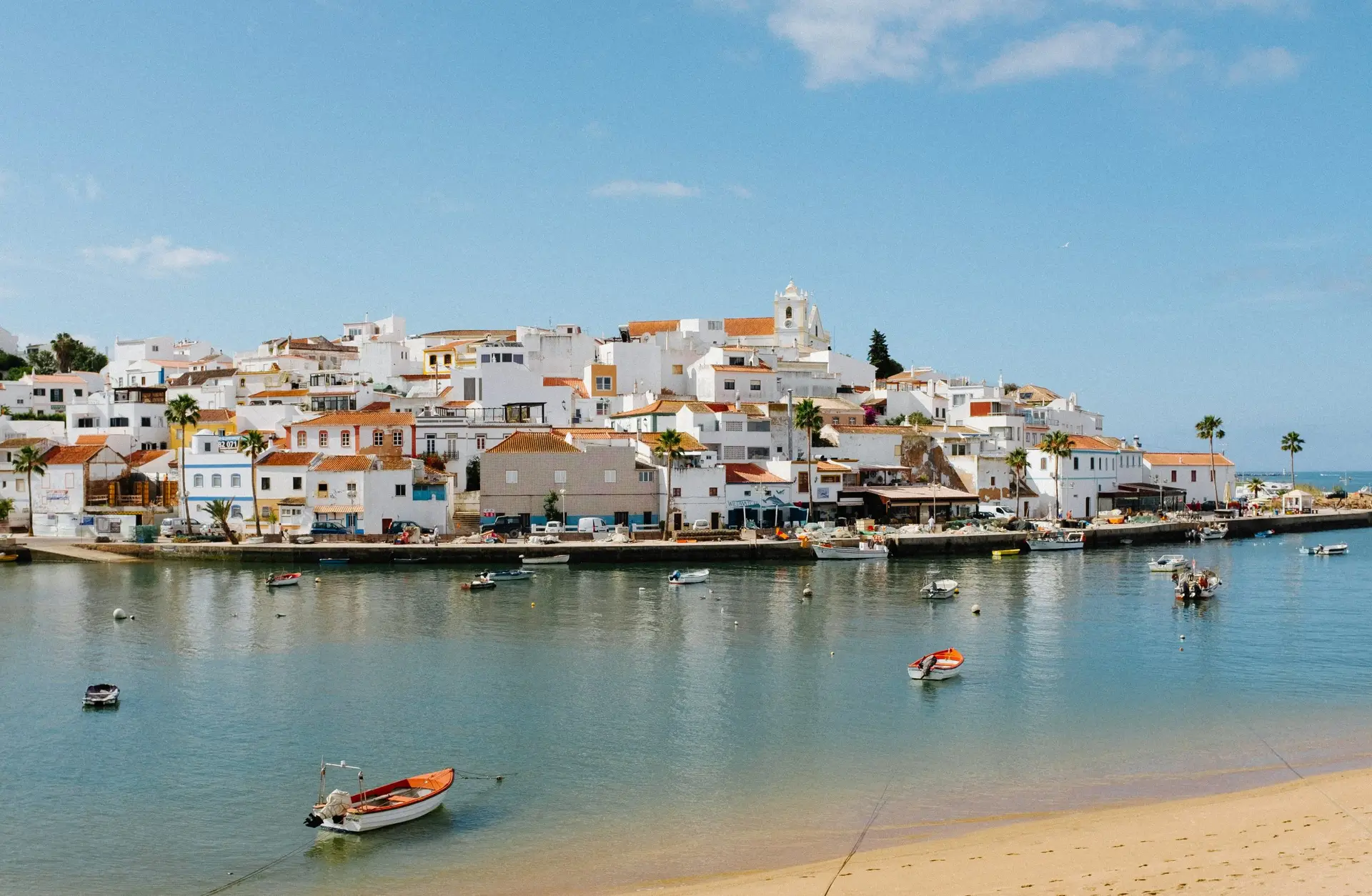
Best for: First-timers who want Europe without the price tag of France or Italy Daily budget: $50 to $90 Trip length: 7 to 14 days Safety ranking: GPI #7 English level: Excellent in cities (almost everyone under 40) Best month to go: May, September, or October
Portugal is the answer most experienced solo travelers give when asked where a friend should go for a first solo trip in Europe. The reasons stack up. Lisbon and Porto are walkable, well-connected by train, and full of solo-friendly accommodation. Hostels in Portugal aren’t backpacker dorms with creaky bunks. They’re often boutique-designed, run welcome dinners that connect solo travelers, and offer private rooms at hostel prices. The Yes! Lisbon, Hub New Lisbon, and Selina chain all run programming specifically for solo travelers.
The cultural fit is the other piece. Portuguese hospitality is genuine in a way that’s hard to fake. If you look confused on a street corner, someone usually stops to help before you ask. Lisbon’s tram routes are easy to navigate. Porto is half the size and even easier. The Algarve adds a beach option for travelers who want to combine cities with a few days of coastline.
What nobody tells you: Lisbon’s nightlife runs late, even by Mediterranean standards. Most restaurants don’t fill up before 9pm. Bars peak around midnight. If your sleep schedule resists this, plan for an afternoon-and-evening rhythm rather than a morning-and-evening one. Pickpocketing on tram 28 (the famous tourist line) is the country’s main solo travel risk and is more common than locals admit.
4. New Zealand
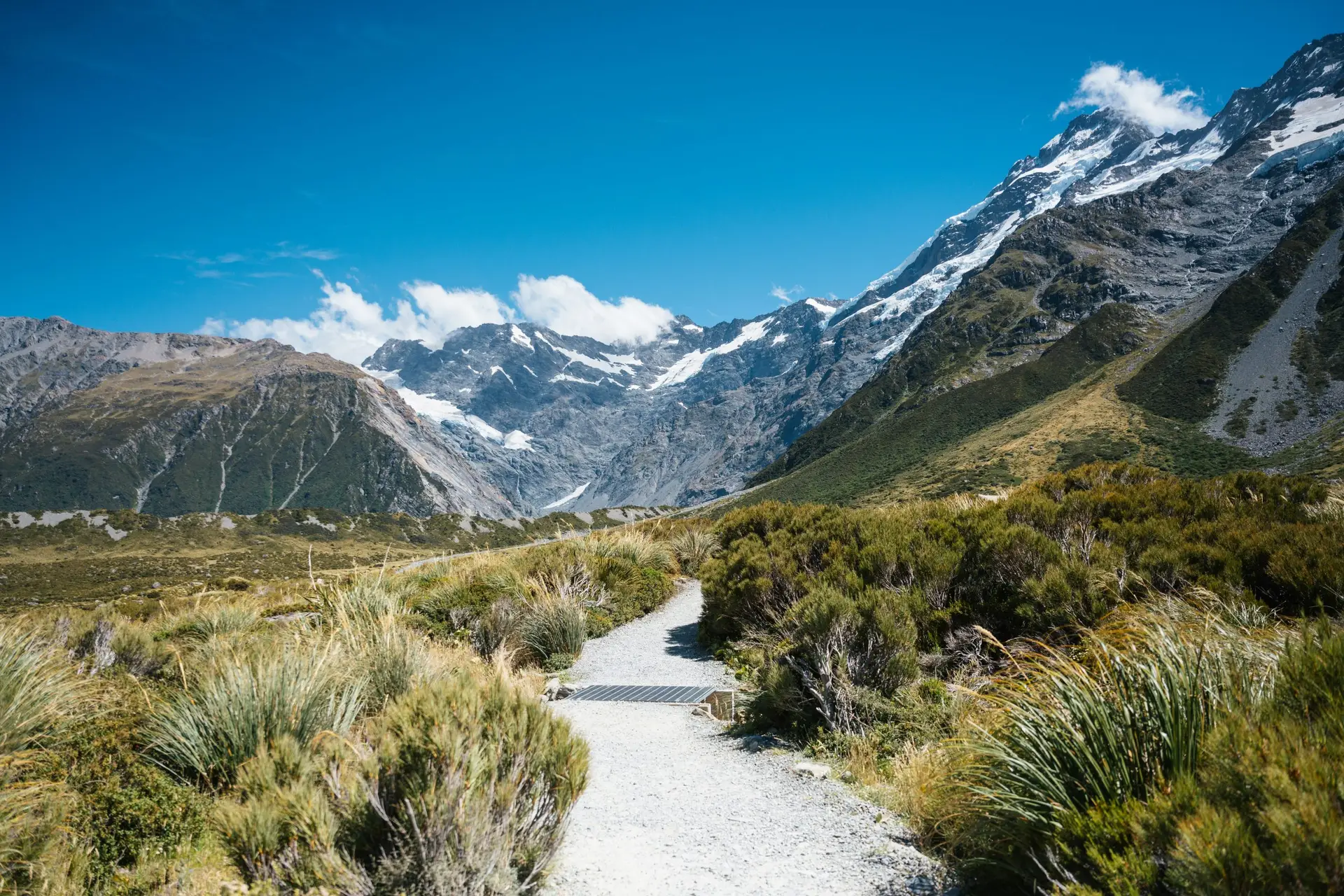
Best for: Solo travelers who want adventure with English-speaking infrastructure Daily budget: $110 to $180 Trip length: 14 to 21 days Safety ranking: GPI #3 English level: Native Best month to go: February to April (autumn), or November (spring)
New Zealand consistently shows up in the top three solo travel destinations because it solves a specific problem: how do you get adventure travel without the language and infrastructure complexity? The country is small enough to drive end-to-end (the South Island in particular), populated enough that you’ll meet other travelers, and English-speaking enough that the friction is minimal.
The hostel network is dense and traveler-focused. YHA (Youth Hostels Association), Base, and Nomads run consistent properties from Auckland to Queenstown. Long-distance buses (InterCity, FlexiPass) connect them affordably. The famous Great Walks (Milford Track, Routeburn, Tongariro Northern Circuit) all have hut systems where solo hikers are common. Adventure operators in Queenstown, Rotorua, and Wanaka are professional and run solo-friendly day trips: skydiving, bungee jumping, glacier walks, fjord cruises.
The 2026 angle: airline capacity from North America and Europe to Auckland has expanded since 2024, and shoulder-season fares are noticeably softer than they were five years ago.
What nobody tells you: distances on New Zealand maps deceive. The country looks small but the South Island in particular involves long driving days, often through mountains in unpredictable weather. A 14-day trip easily becomes “we drove and didn’t see enough.” Plan tighter than your instincts suggest.
5. Singapore

Best for: First-timers using Asia as a transit point Daily budget: $90 to $150 Trip length: 4 to 6 days, often as part of a larger Asia trip Safety ranking: GPI #6 English level: Native (one of four official languages) Best month to go:February to April
Singapore is the easiest hard landing in Asia. The airport (Changi) is the world’s most-awarded by a wide margin and has gardens, pools, and a butterfly enclosure inside the terminals. The MRT subway is cleaner than most European systems. English signage is everywhere. Hawker centres serve some of the world’s best food at $4 to $8 per dish, and dining alone at a hawker stall is the local norm rather than an exception.
For a first-time solo traveler using Singapore as a launchpad to other Southeast Asia destinations (Malaysia, Indonesia, Thailand, Vietnam), it functions as a four-day decompression chamber: a place to recover from jet lag, build confidence, and figure out how to be a foreigner in Asia before moving to a less forgiving destination.
What nobody tells you: Singapore is expensive by Southeast Asian standards. Hostel beds run $35 to $55 per night, dramatically more than Bangkok or Hanoi. Hotel rooms start around $150. Combining Singapore with cheaper neighbors is the budget strategy that locals would recommend.
Tier 2: Confidence builders
6. Ireland (Dublin and beyond)
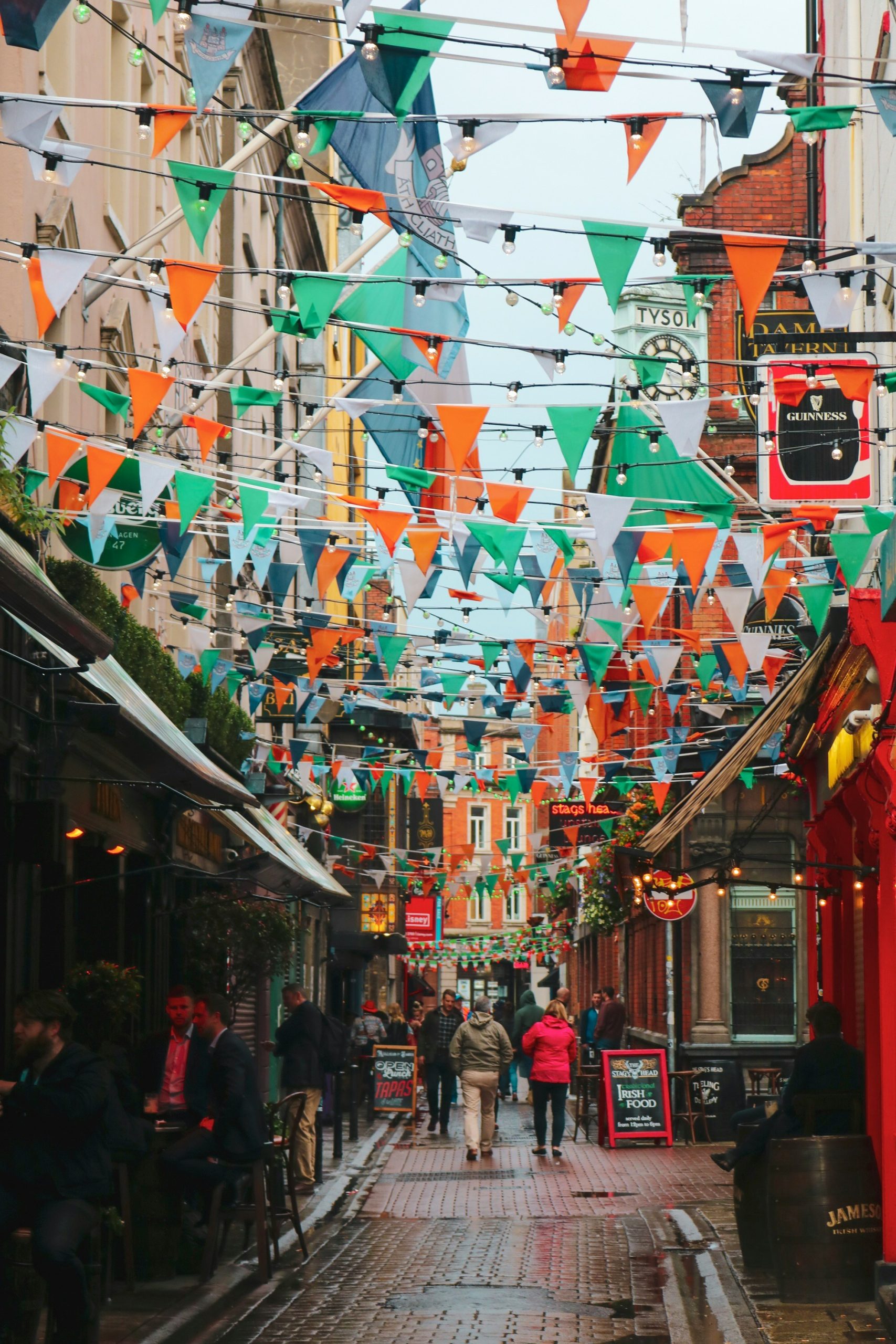
Best for: Solo travelers who want sociability built into the trip Daily budget: $90 to $150 Trip length: 7 to 10 daysSafety ranking: GPI #2 English level: Native Best month to go: May, June, or September
Tripadvisor named Dublin its number-one city for solo travelers in 2026. The reasoning isn’t dramatic. Dublin is small, walkable, English-speaking, and built around a pub culture that’s genuinely welcoming to solo visitors. You can sit at a bar, order a pint, and end up in a conversation within twenty minutes. Few capital cities make socializing alone this easy.
Beyond Dublin, Ireland offers a manageable solo route: Galway on the west coast for music and seafood, the Cliffs of Moher for the iconic landscape day, Dingle Peninsula for villages and dramatic coast, Belfast for a different chapter of Irish history. The bus network connects all of it. Driving is straightforward once you adjust to the left side of the road.
What nobody tells you: Ireland gets cold and wet, even in summer. June can deliver four seasons in one day. Pack for it. The other underdiscussed reality is cost: Dublin hotels have moved upmarket since 2023, and a basic hotel room in summer often runs over $200. Hostels (Generator Dublin, Abbey Court) are the realistic move.
7. Slovenia
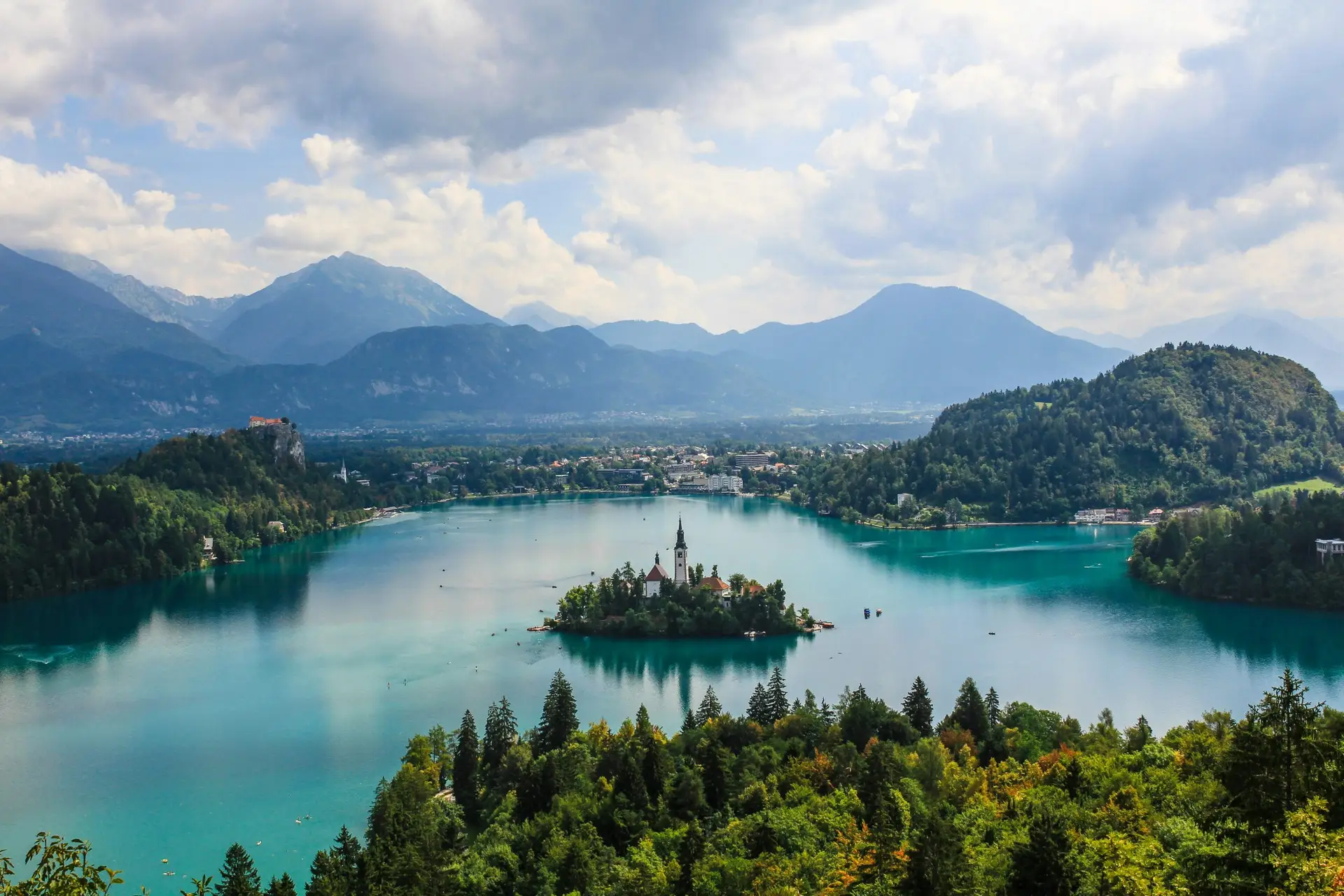
Best for: Travelers who want Europe without crowds at half the price Daily budget: $50 to $90 Trip length: 7 to 10 daysSafety ranking: GPI #9 English level: Strong in cities, varied in rural areas Best month to go: May, June, or September
Slovenia has spent the last few years quietly becoming Europe’s most underrated destination. The country fits between the Alps, the Adriatic, and Italy, but costs roughly half what Italy or Austria does. Ljubljana is one of the cleanest, safest small capitals in Europe and walkable in two days. Lake Bled and Lake Bohinj sit in the Julian Alps. The Soča Valley has rafting, hiking, and via ferrata routes that get a fraction of the foot traffic of comparable Alpine regions.
Direct flight connectivity has expanded substantially for 2026. Edinburgh, Amsterdam, Madrid, Frankfurt, Munich, Istanbul, and London Heathrow now run scheduled service into Ljubljana airport. The “Pogačar effect” (Slovenia’s two-time Tour de France winner Tadej Pogačar has driven a cycling-tourism boom) has produced specialized accommodations and route maps that solo cyclists are taking advantage of.
What nobody tells you: Slovenia is small enough that a week feels like a stretch, not a constraint. Most solo travelers do four nights in Ljubljana and Bled, then three nights in the Soča Valley or on the coast (Piran, Portorož). Stretching beyond ten days requires adding Croatia, Italy, or Austria.
8. Spain
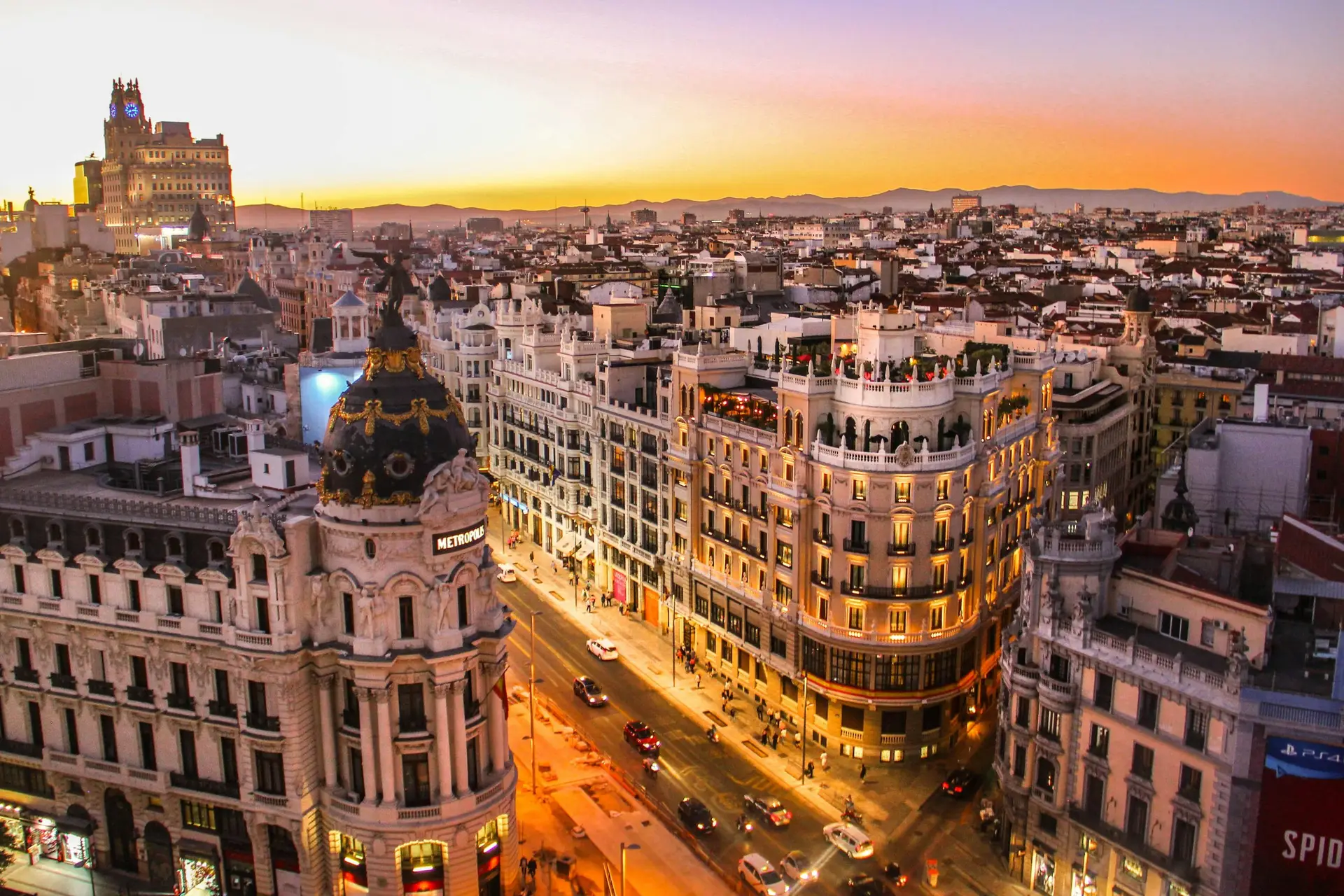
Best for: First-timers who want city culture, food, and English access Daily budget: $60 to $110 Trip length: 10 to 14 days Safety ranking: Safety index 7.45 for solo female travelers (one of the highest in Europe) English level: Strong in cities Best month to go: April, May, September, October
Spain is the European destination that most solo travelers underestimate. Madrid alone is one of the world’s great solo cities: the Prado, Reina Sofía, and Thyssen-Bornemisza museums all reward an unhurried solo visit, and Madrid’s tapas culture is built around standing at a bar with a single dish and a glass of wine. Solo dining is socially invisible.
For 2026, with Barcelona tightening its hotel and Airbnb policies (and not particularly welcoming to mass tourism), the case for Madrid, Sevilla, San Sebastián, Valencia, and Granada has strengthened. Spain’s high-speed rail network (AVE) makes a multi-city trip easy: Madrid to Sevilla in 2.5 hours, Madrid to Barcelona in 2.5 hours, Madrid to Valencia in 1.5 hours.
For the longer take on which Spanish cities are worth your time in 2026, see our guide to Spain without the crowds.
What nobody tells you: Spain runs on its own clock. Lunch is from 2pm to 4pm. Dinner starts at 9pm or later. Many restaurants close between 5pm and 8pm. If your body clock is set to 6:30pm dinner, plan for an adjustment week.
9. Costa Rica
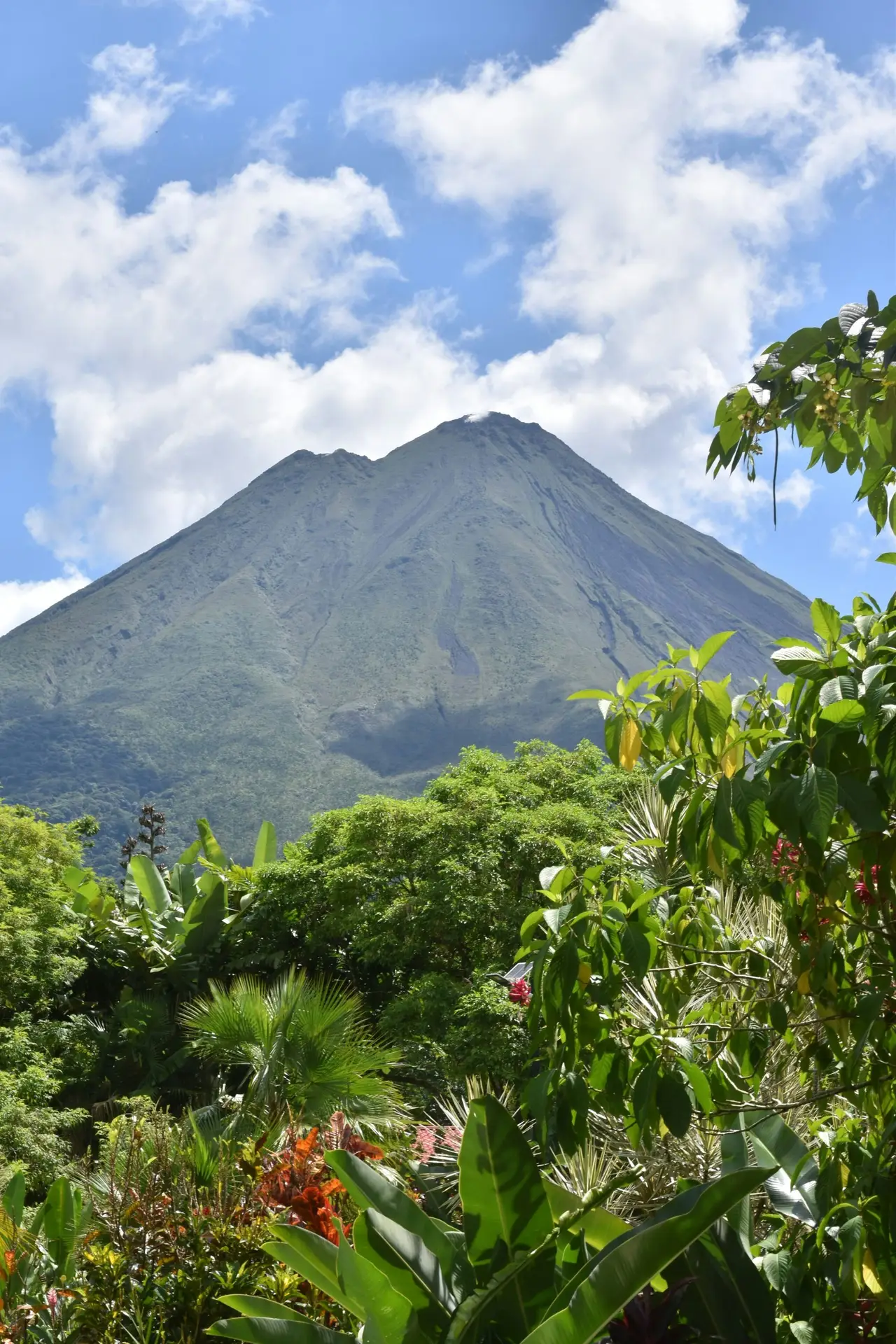
Best for: Solo travelers who want their first taste of Latin America Daily budget: $70 to $130 Trip length: 10 to 14 daysSafety ranking: Among the safest countries in Central America English level: Strong in tourism areas Best month to go: December to April (dry season)
Costa Rica is the gentlest introduction to Latin America for solo travelers. The country abolished its military in 1948, has stable democratic institutions, and built its economy around eco-tourism, which means tourist infrastructure is mature. La Fortuna for volcanoes and hot springs, Monteverde for cloud forest, Manuel Antonio for Pacific coast, Tamarindo for surfing, Puerto Viejo on the Caribbean side for a different cultural register.
The country is small. You can move between most major destinations in three to five hours by bus or shared shuttle. English is widespread in tourist areas, which lowers the language barrier substantially compared to Mexico, Colombia, or Peru. Solo female travelers report Costa Rica as one of the lowest-stress Latin American experiences.
What nobody tells you: Costa Rica is not cheap. Daily costs are closer to Portugal than to Mexico or Guatemala. A hostel bed runs $20 to $35, a private room $50 to $90. Activities (zip-lining, guided hikes, surf lessons) run $40 to $100 each. Budget for it.
Tier 3: Budget gateways for longer trips
10. Thailand
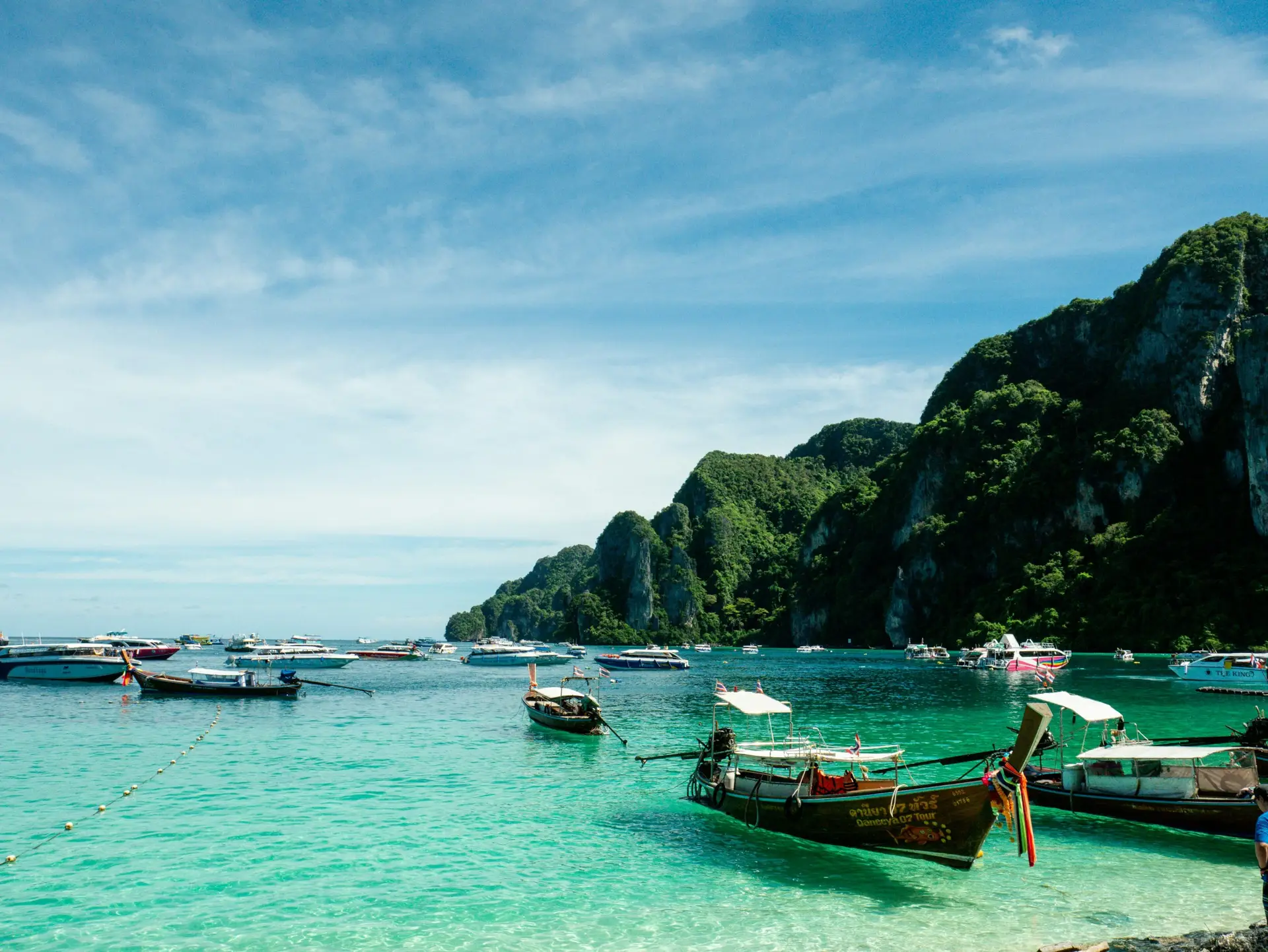
Best for: Long-trip backpackers and digital nomads Daily budget: $30 to $50 Trip length: 14 to 30 days Safety ranking: Generally low risk in tourist areas English level: Moderate in tourist zones, limited elsewhere Best month to go: November to February
Thailand has been the school for solo travelers for thirty years for the same reason it still works: it’s almost impossible to feel truly alone. The backpacker route (Bangkok, Chiang Mai, Pai, Krabi, Koh Lanta, Koh Phangan) has so much built infrastructure that meeting people happens by default. Hostels run welcome events, group transfers, day trips. Cooking classes, Muay Thai gyms, scuba certifications, and yoga retreats all provide ready-made social structures.
For digital nomads, Chiang Mai is one of the world’s three or four most established remote-work hubs, with co-working spaces, monthly accommodation packages, and a community of long-term residents. Bangkok offers more polish. The islands offer beaches at hostel prices.
What nobody tells you: Thailand’s tourist scams are well-documented and consistent (gem scams, tuk-tuk overcharging, jet ski deposit scams in Phuket). Read about them once before you arrive. The other reality is that Thailand’s “cheap” reputation is partial. A daily $30 budget is achievable, but a comfortable $50 to $60 daily budget is closer to most solo travelers’ actual spending once they factor in activities and the occasional nicer meal.
11. Vietnam
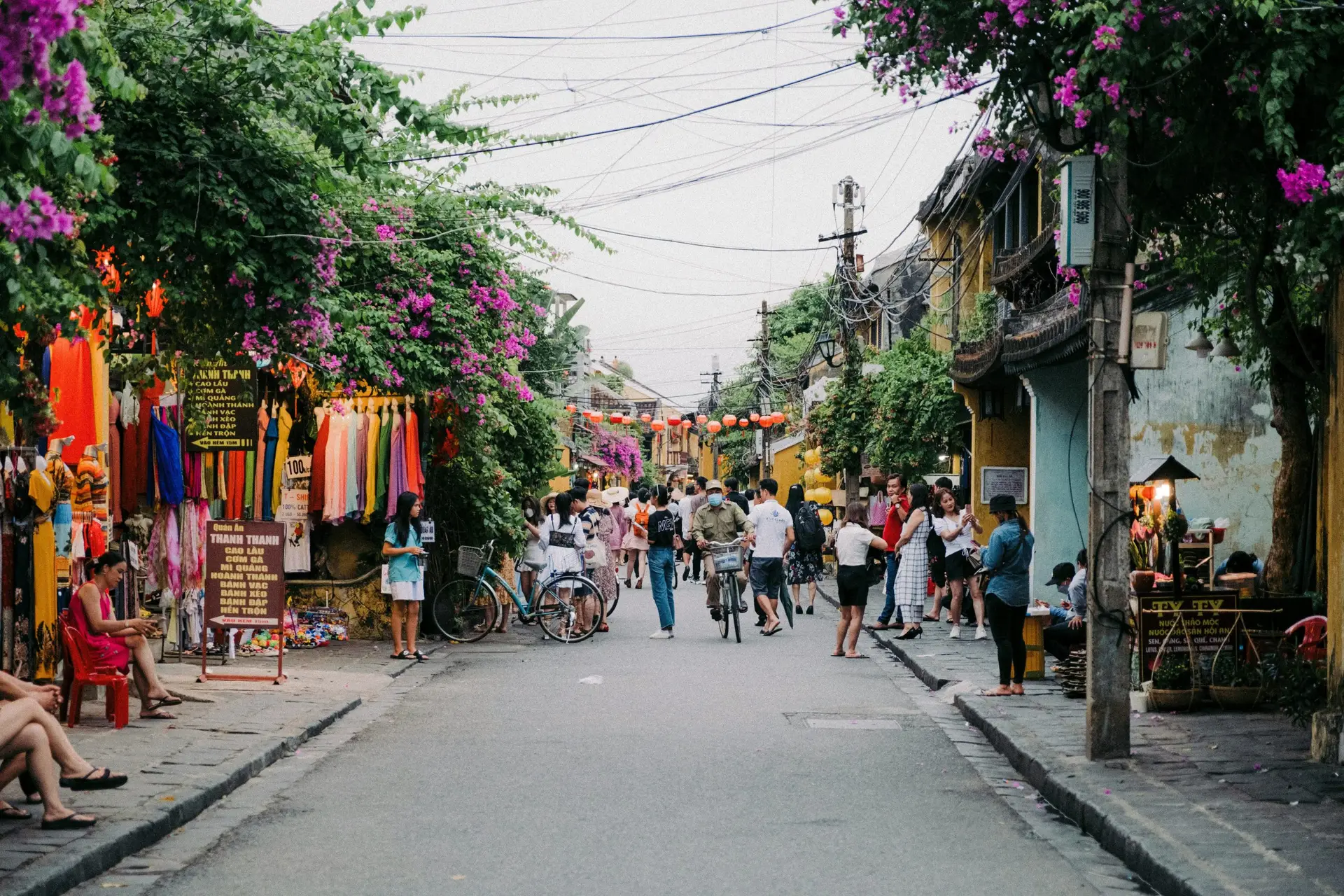
Best for: Travelers who want adventure on a small budget Daily budget: $30 to $50 Trip length: 14 to 21 days Safety ranking: Low violent crime, high petty theft awareness needed English level: Variable Best month to go: March to April or October to November
Vietnam is the destination most solo travelers add to their second or third Southeast Asia trip, but it works as a first trip if you go in prepared. The classic route runs Hanoi to Ho Chi Minh City, with Halong Bay, Ninh Binh, Hue, Hoi An, and Da Nang in between. The trains and overnight buses connect all of it for $10 to $30 per leg. Vietnam’s hostel infrastructure has matured rapidly: Hanoi’s Old Quarter has dozens of solo-friendly properties at $8 to $20 per night.
Hoi An deserves a particular mention for first-time solo travelers. The town is small, walkable, easy to navigate, and has a well-developed cooking class and tailoring scene that gives you obvious solo activities. It’s also one of the prettiest small cities in Asia.
What nobody tells you: traffic in Vietnam, particularly in Hanoi and Saigon, is genuinely unlike anything in the West. Crossing a street takes practice. Renting a scooter as a first-time solo traveler is not advised by anyone who’s seen the hospital statistics.
12. Mexico (Mérida and Oaxaca)
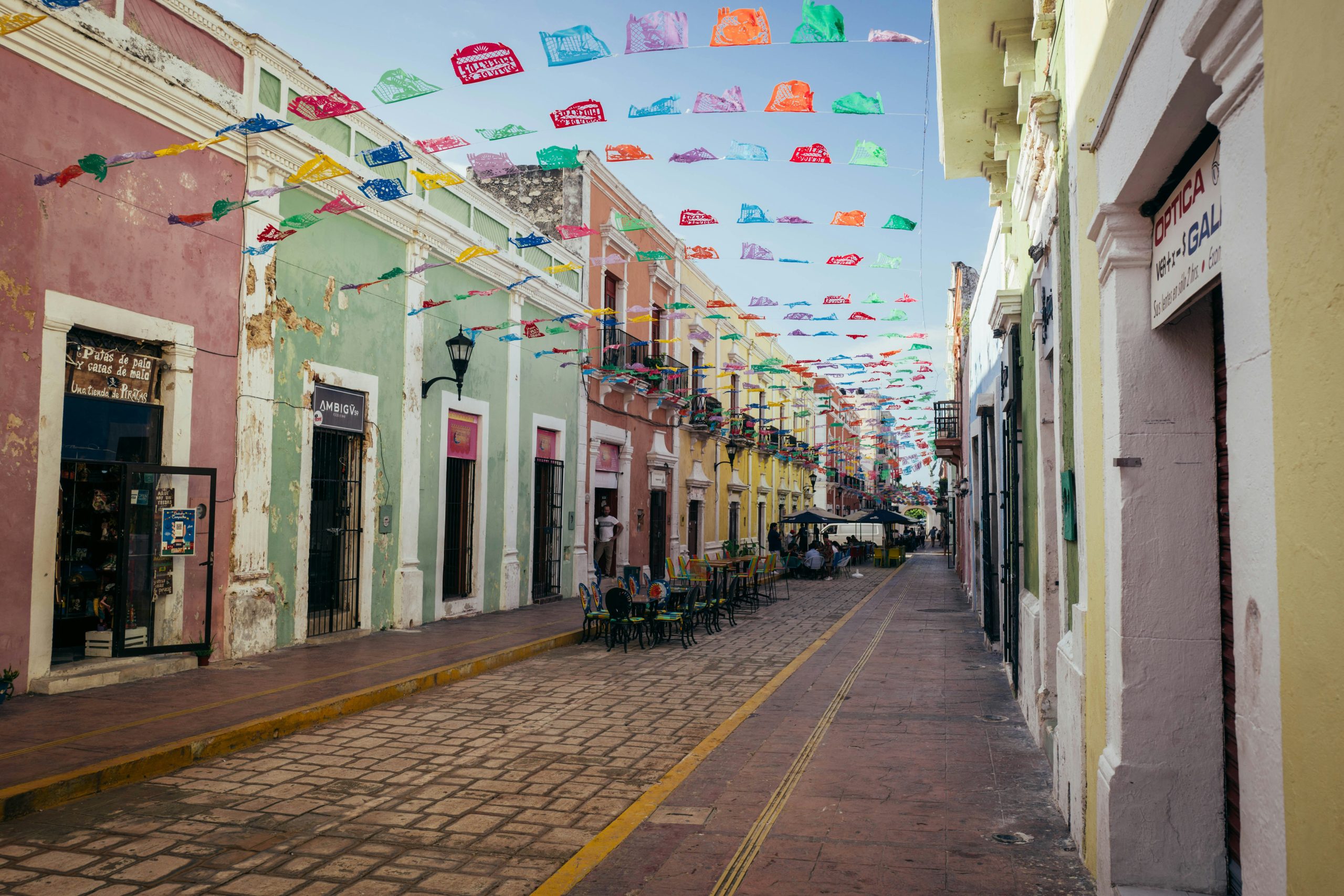
Best for: Solo travelers seeking food and culture, in the right regions Daily budget: $50 to $90 Trip length: 7 to 14 daysSafety ranking: Variable by region; Mérida and Oaxaca are among the safest cities in Mexico English level: Moderate in tourist zones Best month to go: November to April
Mexico is on this list with a specific caveat. The country has dangerous areas, well-documented and avoidable. Cancún’s resort zone is fine but rarely rewards solo travel. Tulum has changed character in the last three years, becoming more crowded and more expensive than its reputation suggests. The two cities that genuinely do reward solo travel right now are Mérida (Yucatán) and Oaxaca.
Mérida is the safest large city in Mexico, with a homicide rate lower than most American cities. The city has a colonial center, an active cultural calendar, and a daytrip radius that includes Uxmal (Mayan ruins), the cenotes near Cuzamá, and Celestún for flamingos. Oaxaca is the food capital of Mexico. Mole, mezcal, tlayudas, the Tuesday market in Tlacolula. The food scene alone justifies the trip, and Oaxaca’s centro histórico is walkable, safe, and full of solo-friendly courtyard restaurants.
What nobody tells you: Mexico requires more research than the other destinations on this list. Travel advisories are real and worth reading, but they’re also often blunter than the actual situation. Stick to the regions that solo travelers consistently recommend, and Mexico becomes one of the best-value destinations on this list.
The 12 at a glance
| # | Destination | Daily budget | Trip length | Safety (GPI) | English | First-timer score |
|---|---|---|---|---|---|---|
| 1 | Japan | $80 to $130 | 10 to 14 days | #4 societal safety | Medium | Excellent |
| 2 | Iceland | $130 to $220 | 7 to 10 days | #1 (18 yrs) | Excellent | Excellent |
| 3 | Portugal | $50 to $90 | 7 to 14 days | #7 | Excellent | Excellent |
| 4 | New Zealand | $110 to $180 | 14 to 21 days | #3 | Native | Excellent |
| 5 | Singapore | $90 to $150 | 4 to 6 days | #6 | Native | Excellent |
| 6 | Ireland | $90 to $150 | 7 to 10 days | #2 | Native | Strong |
| 7 | Slovenia | $50 to $90 | 7 to 10 days | #9 | Strong | Strong |
| 8 | Spain | $60 to $110 | 10 to 14 days | High (7.45) | Strong | Strong |
| 9 | Costa Rica | $70 to $130 | 10 to 14 days | High in region | Strong | Strong |
| 10 | Thailand | $30 to $50 | 14 to 30 days | Low risk | Moderate | Good |
| 11 | Vietnam | $30 to $50 | 14 to 21 days | Low violent | Variable | Good |
| 12 | Mexico (M+O) | $50 to $90 | 7 to 14 days | Variable | Moderate | Good with caveats |
What we left off, and why
A few destinations get listed elsewhere as solo-friendly that we don’t recommend as a first solo trip. Worth saying why.
India. A profoundly rewarding solo travel destination, but the cultural learning curve is steep, harassment of women travelers (particularly in tourist areas) is well-documented, and the infrastructure rewards experienced travelers. A second solo trip, not a first.
Morocco. Marrakech is intense for first-timers in ways that aren’t always apparent until you’re there. Solo female travelers report harassment more often than from comparable destinations. Worth doing once you’ve built confidence on an easier trip.
Norway, Denmark, Sweden, Finland. All four rank in the top ten safest countries for women globally, and 86% of women in Norway report feeling safe walking alone at night. They didn’t make the list because pricing puts them outside most first-timer budgets ($150 to $250 per day baseline). For a second solo trip, they’re outstanding.
Bali. A perennial favorite that we’ve left off because it’s become a victim of its own success. Crowds, traffic, overdevelopment in Canggu and Seminyak, and a backpacker scene that has tipped from welcoming to chaotic. Other parts of Indonesia (Ubud, Lombok, the Gili Islands) still work, but Bali as a brand has lost a step.
Australia. Excellent for solo travel, but the distances and price tag make it a poor first trip. The flights alone burn the budget.
Solo travel for women: the honest version
Most of this list applies equally to all genders. A few specific notes for women.
The actual data. Women make up 76 to 85% of all solo travelers globally. Their safety record is significantly better than the public conversation suggests: 89% of solo female travelers on trips longer than two weeks report no major incidents. That doesn’t mean travel without preparation. It means the gap between perceived risk and actual risk is wider for women than for almost any other group.
The safest countries specifically for women. The Women’s Peace and Security Index 2023 ranked Denmark, Switzerland, Sweden, Finland, Iceland, Luxembourg, Norway, Austria, Netherlands, and New Zealand as the ten safest countries for women globally. Eight of these are in Europe, and seven of them score well above their general Global Peace Index ranking when adjusted for women’s experience specifically.
The single supplement problem. This is the biggest concrete barrier. Sixty-four percent of women cite the cost of single rooms (often priced as if a couple were staying) as the reason they delay a first solo trip. A growing number of operators have eliminated the supplement: Intrepid Travel, G Adventures, Flash Pack, Trafalgar’s solo lines, and Road Scholar all run trips without it. Hilton, Marriott, and Accor have started offering single-occupancy rates at properties that historically charged double.
The women-only group tour option. For a first solo trip, a women-only group tour resolves the most common concerns at once: safety, single supplement, social anxiety. Twenty percent of solo female travelers took a women-only trip in 2025, and 21% plan to in 2026. Adventures in Good Company, Wild Women Expeditions, and Solo Female Travelers Tours are the established names.
Frequently asked questions
What is the best country for first-time solo travel in 2026? Japan, for most travelers. The combination of safety, infrastructure, and a culture that genuinely supports solo dining and traveling makes it the easiest first solo trip. Iceland is the safest, Portugal is the cheapest in Western Europe, and New Zealand is the best for travelers who want adventure with English-speaking infrastructure.
Is solo travel safe for women in 2026? Statistically, yes, in most of the destinations listed here. The Solo Female Travelers Network 2026 survey found that 89% of women on solo trips longer than two weeks report no major incidents. Safety improves with experience: 75% of women who haven’t traveled solo worry about it, but only 52% of those who have do.
How much does a first solo trip cost? For a 7 to 10 day trip, the typical range is $1,000 to $2,000 before flights. Budget travelers can do Southeast Asia at the lower end ($30 to $50 per day plus flights). Premium destinations like Iceland and New Zealand push the daily cost to $130 to $220.
What is the ideal length for a first solo trip? Seven to ten days is the most common first-timer length, and most experienced solo travelers recommend it. Long enough to settle into the rhythm, short enough that it doesn’t feel overwhelming. Two-week trips work well for first-timers going to Asia (Thailand, Vietnam) where flight costs justify staying longer.
Should I do a solo group tour or travel completely alone? Both are valid, and the data shows most solo travelers do both. Forty-six percent of solo travelers took a group trip in 2025, and 44% plan to in 2026. A small-group tour for a first solo trip resolves most safety and social concerns. After that, most travelers shift to independent travel.
What’s the best age for a first solo trip? There isn’t one. The most common age for a first solo trip is 22 to 30, but 39% of solo travelers are now over 40, and women aged 65 and older have grown from 4% of the segment in 2019 to 18% in 2022. The data is clear: there’s no “right” age.
How do I avoid loneliness on a solo trip? Stay in social hostels for at least part of the trip (the Generator chain, Selina, Yes! Lisbon are reliable). Take a cooking class, food tour, or day trip in your first 48 hours, which guarantees a structured social interaction early. Use apps like Meetup, Couchsurfing Hangouts, or hostel-specific WhatsApp groups. Most solo travelers report that loneliness fades after the first day or two.
Is it cheaper to travel solo or with a partner? Solo travel is more expensive per person on accommodation (the single supplement) but often cheaper overall because you have full control of the budget. The Solo Female Travelers Network reports that 64% of women cite single supplements as their top barrier to solo travel.
What’s a single supplement, and how do I avoid it? A single supplement is an extra fee charged when one person occupies a room or cabin priced for two. To avoid it, book accommodations that explicitly offer solo rates (most hostels, an increasing number of mid-range hotels), book group tours from operators that have eliminated the supplement (Intrepid, G Adventures, Flash Pack), or stay in destinations where single occupancy is the norm (Japan, where capsule hotels and single-room business hotels are standard).
What’s the safest country for solo female travelers right now? Iceland by most measures, with Denmark, Switzerland, Norway, Sweden, and Finland following closely. Of the destinations on our list, Iceland has the strongest safety profile by every available metric. For travelers who want a less remote option, Portugal, Ireland, and New Zealand all combine high safety scores with strong tourist infrastructure.
Do I need travel insurance for solo travel? Yes. Solo travelers have less backup if something goes wrong, which makes insurance more important, not less. Look for policies that specifically cover solo travelers, include medical evacuation (a single emergency evacuation can cost $50,000 to $100,000), and cover trip interruption. World Nomads, SafetyWing, and Allianz are the most-recommended providers for solo travelers.
What apps do solo travelers actually use? Google Maps and Translate (downloaded for offline use). Booking.com or Hostelworld for accommodation. Splitwise for tracking spending if you meet other travelers. Maps.me for offline navigation. The destination’s primary public transit app (Suica for Japan, Citymapper for European cities). A VPN (NordVPN or ExpressVPN) for safer connections on hotel and café Wi-Fi. The Solo Female Travelers Network app for women specifically.
Where to next
This guide will be updated quarterly as new data lands and as the destination mix shifts. For travelers planning Europe in 2026, see our guide to Spain without the crowds and Norway’s tourist tax 2026 for tax planning. For travelers heading to Japan, our Japan travel cost 2026 breakdown covers the recent price changes in detail. For non-EU travelers heading to Europe, our ETIAS guide covers what changes in late 2026.
The honest reality of solo travel in 2026 is that it has never been easier to do well. The infrastructure exists. The community exists. The data shows it works. The first trip is the hardest one, and after that, the pattern usually becomes a habit.
Bookmark this guide before you book.
Sources and update log
Primary:
- Global Peace Index 2026, Institute for Economics and Peace
- Grand View Research, Solo Travel Market Size & Share Industry Report 2033
- Solo Female Travelers Network, 2026 Solo Female Travel Survey
- Tripadvisor Travellers’ Choice Best of the Best Awards 2026
Secondary:
- Hilton 2026 Trends Report
- Klook Global Solo Survey
- Booking.com Travel Confidence Index
- Women’s Peace and Security Index 2023
- Berkshire Hathaway Travel Protection 2026 Solo Travel Risk Index
Updates:
- Published: 5 May 2026
- Last data verification: April 2026
- This guide will be updated quarterly as Global Peace Index data refreshes and as destination conditions shift.